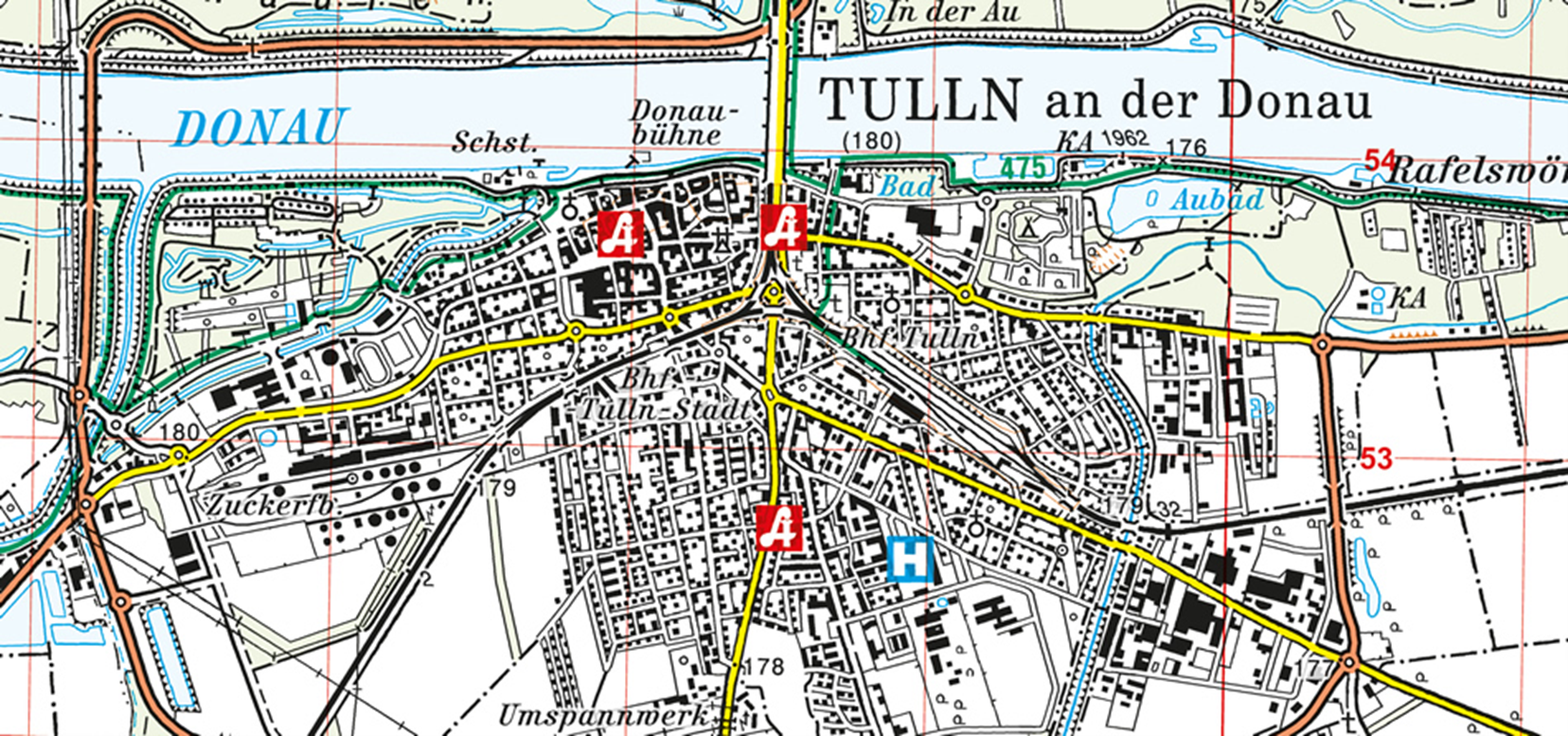
This thesis compares the topographic maps of Austria and two additional countries to examine what features are included, emphasized, or omitted—such as military zones, heritage sites, disputed boundaries, or indigenous territories. The study analyzes how these choices reflect political priorities or cultural narratives. Semiotic analysis and interviews with mapping authorities (if possible) will reveal how supposedly objective topographic maps encode power relations and national identity.